
Verified Network
Board-Certified Only
340+
Pathologists
18
Subspecialties
48h
Avg. Match

Dr. Priya Mehta, MD
Dermatopathologist
Institution
Memorial Sloan Kettering Cancer Center
Fellowship
Dermatopathology Fellowship — Johns Hopkins, 2014
Case Volume
4,200+ cases/year
"The margin you call 'close' is the sentence I spend three hours reading. I don't sign out ambiguous melanocytic lesions without a second look at level 6."
What a Dermatopathologist Actually Does
Dermatopathology sits at the intersection of dermatology and pathology. When a dermatologist excises a suspicious lesion, it is the dermatopathologist who examines the cellular architecture under the microscope — distinguishing a dysplastic nevus from early melanoma, or a basal cell carcinoma from squamous cell carcinoma in situ. That distinction changes everything: the surgical margin, the staging, the conversation with the patient.
1 in 5
Americans will develop skin cancer
8–12%
of melanoma diagnoses require expert second opinion
48 hrs
median turnaround in our network
"I sent three ambiguous desmoplastic melanoma cases to a Pathways-matched dermatopathologist. She changed the diagnosis on two of them. That's two patients who didn't have unnecessary wide local excisions."

Dr. James Thornton, MD
Surgical Oncologist, Vanderbilt University Medical Center

Dr. Marcus Webb, MD, PhD
GI & Hepatic Pathologist
Institution
University of California, San Francisco
Fellowship
GI Pathology Fellowship — Mayo Clinic, 2011
Case Volume
6,800+ cases/year
"Barrett's esophagus with indefinite dysplasia is a clinical decision point, not a wastebasket diagnosis. I read every case as if the patient is sitting in the room."
GI Pathology: Where Staging Gets Decided
Gastrointestinal pathology covers biopsies from the esophagus, stomach, small bowel, colon, liver, and pancreas. GI pathologists determine T-stage in colorectal cancer, grade dysplasia in inflammatory bowel disease, and distinguish autoimmune hepatitis from metabolic liver disease. In colorectal cancer alone, accurate lymph node staging by a subspecialist is associated with a measurable survival benefit — the difference between adjuvant chemotherapy and watchful waiting.
153K
new colorectal cancer diagnoses/year in the US
22%
of IBD biopsies are re-graded on subspecialist review
3 days
average GI second-opinion turnaround
"My patient had a pancreatic biopsy that three community pathologists called 'suspicious but not diagnostic.' The GI pathologist through Pathways called it adenocarcinoma in 48 hours. We started treatment."
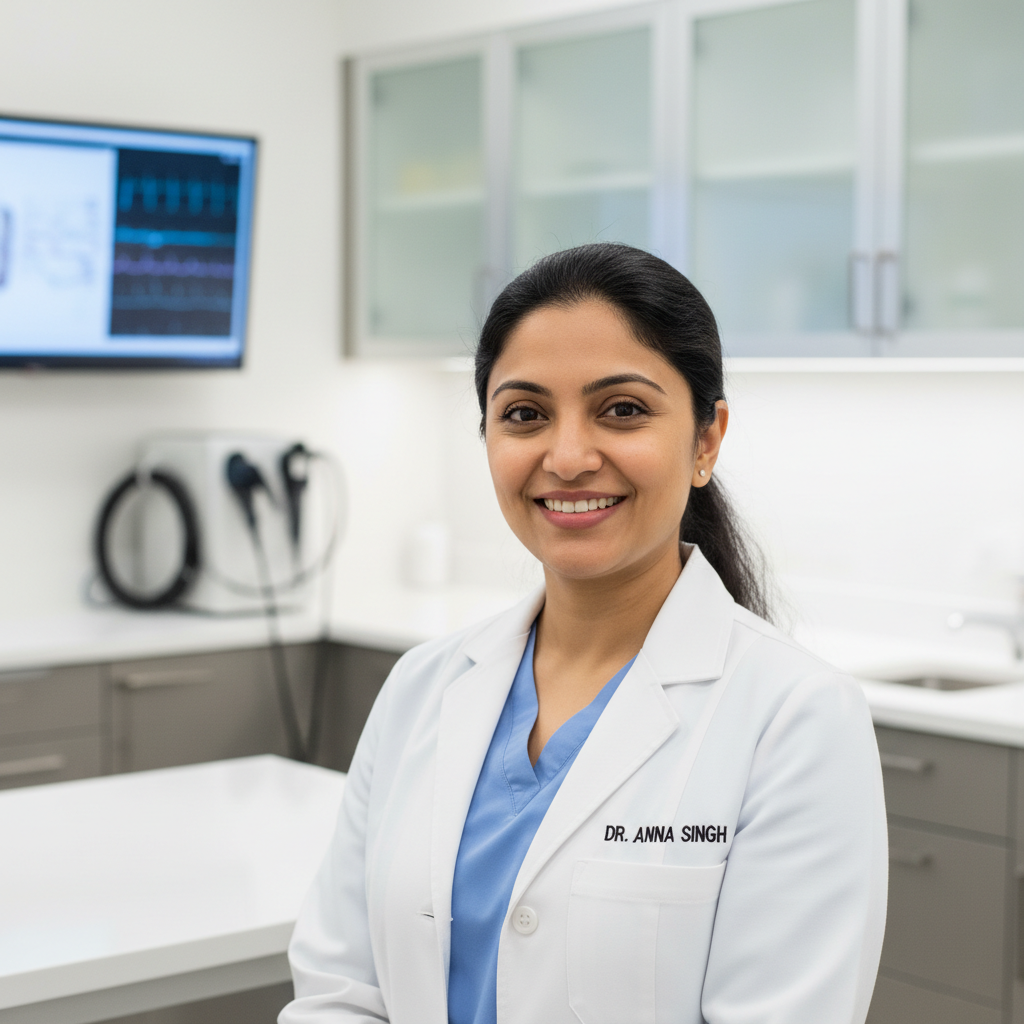
Dr. Sandra Osei-Bonsu, MD
Gastroenterologist, Northwestern Medicine
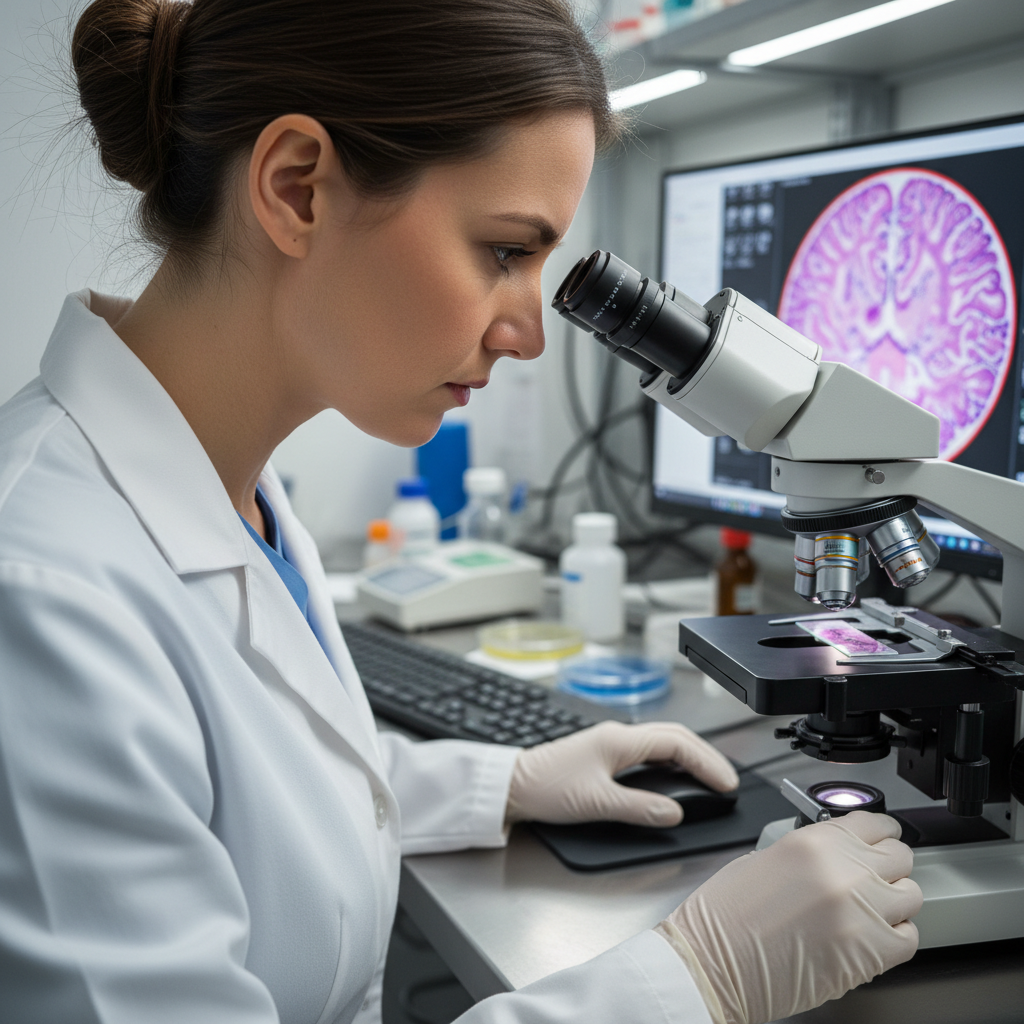
Dr. Aisha Okonkwo, MD
Neuropathologist
Institution
Massachusetts General Hospital / Harvard Medical School
Fellowship
Neuropathology Fellowship — UCSF, 2016
Case Volume
1,900+ cases/year
"IDH mutation status isn't a footnote — it's the first sentence of the treatment narrative. I read the WHO 2021 classification as a living document, not a checklist."
Neuropathology: Molecular Diagnosis in the CNS
Neuropathology is among the most molecularly complex subspecialties in diagnostic medicine. Since the WHO 2021 CNS tumor classification, glioma diagnosis requires not just histology but integrated molecular profiling — IDH mutation, 1p/19q codeletion, TERT promoter status, MGMT methylation. A neuropathologist at a high-volume center brings pattern recognition built on thousands of CNS cases, reducing the risk of misclassification that would route a patient into the wrong clinical trial.
25K
primary brain tumors diagnosed annually
31%
of glioma cases benefit from molecular re-review
WHO 2021
integrated molecular classification required
Request a Pathologist Match
Tell us about your case. We'll identify the right subspecialist from our verified network within 48 hours.
Free Download
Subspecialty Guide 2026
18 pathology subspecialties explained
When to request a second opinion
How to read a pathology report
Questions to ask your pathologist
Turnaround time benchmarks by case type
Downloaded by 4,200+ physicians this year
Still Researching? Start Here.
Download our free Subspecialty Guide — a plain-language reference that explains what each type of pathologist does, when a second opinion is warranted, and how to interpret the report sitting in front of you.
No spam. Unsubscribe anytime. We take medical privacy seriously.